
In the realm of software activation, understanding the nuances of tools like kmspico office 2016 is crucial. With its widespread reputation, Kmspico offers a streamlined solution for activating various Microsoft products. However, its use raises questions about legality and security that both individuals and organizations must consider. As technology evolves, users are often tempted by the allure of easy solutions that promise full functionality without corresponding costs. Yet, such choices involve complex considerations beyond mere functionality.
Understanding Kmspico Office 2016
The activation of Microsoft Office suites, particularly with kmspico office 2016, has become a topic of significant interest. Kmspico is renowned as an activation tool that facilitates the conversion of trial versions into fully licensed copies without direct purchase from Microsoft. This method utilizes a technique similar to the Key Management Service (KMS) to spoof a local instance for activation purposes. By mimicking legitimate activation processes, it circumvents standard purchasing protocols, offering users access to premium features without financial outlay.
How Kmspico Fits into Software Activation
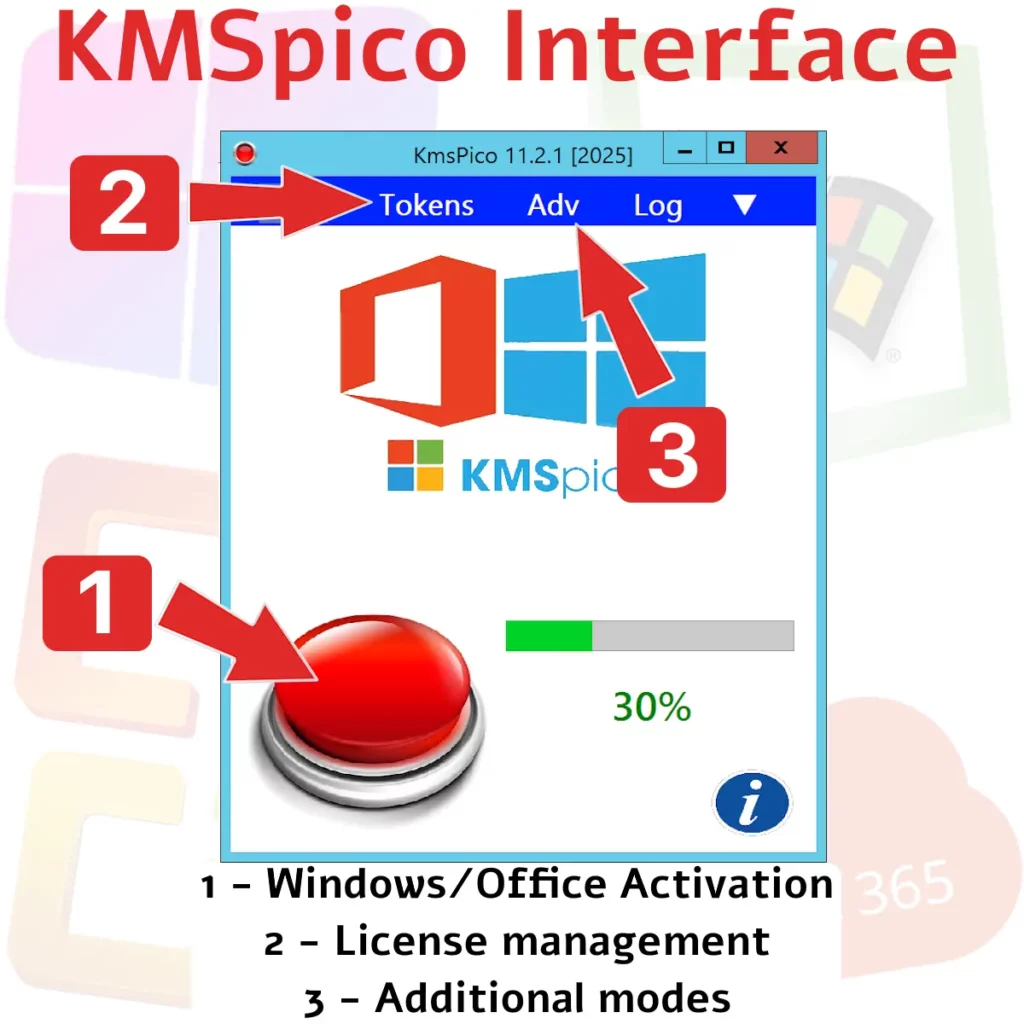
Kmspico acts as a digital licensing and key management solution, often referred to as kms pico activator. The tool is popular not only for activating Office 2016 but also other products like Windows 11 and Office 2019. One reason for its prevalence is its ability to bypass Microsoft’s regular software authentication checks seamlessly. Even though it delivers on its promise of activation, there is an underlying risk due to its unofficial status and potential vulnerabilities it introduces into systems.
KMS Technology in Kmspico Office 2016
At the core of kmspico office 2016 lies KMS technology, which was initially designed by Microsoft to aid large corporations in managing licenses centrally. By imitating this service locally on PCs, Kmspico effectively tricks software into thinking it has been authenticated through legitimate channels. This method is mirrored in other tools such as KMS for Windows 10. While this might seem beneficial from a user’s perspective, it essentially involves creating a fictional environment that can lead to unpredictable outcomes.
Technical Considerations and Tools
- System requirements for running kmspico include a minimum of 1 GHz processor speed and at least 2 GB RAM.
- A simple command like “slmgr /ipk” is often used alongside kmspico to embed product keys before activation.
- Users need to ensure their system settings are compatible with Kmspico’s operations to avoid disruptions during activation.
- Regular updates and system scans are advisable when using third-party tools like Kmspico to mitigate risks associated with malware or system conflicts.
The Risks of Using Kmspico Activator
The ease of using kmspico office 2016 comes with inherent risks. Since the activator circumvents official licensing procedures, users expose their systems to potential malware bundled with unauthorized downloads. Furthermore, reliance on such tools can result in legal repercussions due to infringement on Microsoft’s intellectual property rights. Beyond legal concerns, there is the issue of trust; using unauthorized software can compromise data integrity and lead to breaches that jeopardize user privacy.
Alternative Activation Paths
Using Genuine Office Licenses
The safest way to activate Office software is by purchasing genuine office licenses directly from Microsoft or authorized resellers. While potentially more costly upfront, authentic licenses ensure full access to product updates and support services. For organizations, volume licensing agreements offer flexibility akin to kms tools without legal complications. These licenses provide peace of mind, knowing that software functionality will remain consistent and supported over time.
Implementing Secure Activation Environments
For businesses opting for virtualization technologies, setting up a secure lab environment can mitigate risks associated with unauthorized activators. A VM with specifications like 2 vCPU and 4 GB RAM can be used to test deployment scenarios safely before going live. This approach allows IT departments to manage software deployment efficiently while ensuring compliance with licensing terms and minimizing exposure to potential threats from unverified sources.
Exploring Legitimate KMS Solutions
Organizations should consider deploying legitimate KMS solutions available through Microsoft’s volume licensing programs. These allow centralized key management while ensuring compliance with licensing terms. Leveraging tools such as DISM can facilitate smooth activation processes across multiple systems within an enterprise environment. Such strategies not only uphold legal standards but also enhance operational reliability by utilizing trusted software ecosystems.
Conclusion: Making Informed Choices about Kmspico Office 2016
The debate over using kmspico office 2016 underscores the importance of making informed decisions regarding software activation practices. While it offers short-term convenience and cost savings, weighing those against potential security threats and legal issues is vital. Opting for legitimate licensing solutions not only guarantees compliance but also supports the sustainability of software development through proper channels.
This discussion highlights a broader responsibility toward ethical computing practices where users balance immediate gains against long-term implications for themselves and the broader tech community. As digital landscapes continue to evolve rapidly, staying informed about tool legitimacy becomes increasingly essential in maintaining both personal and professional integrity in software usage.